Physician Headshots That Build Patient Trust Before the Visit
Studio-grade physician headshots generated from a selfie — ready for hospital profiles, medical directories, and the patient-facing moments that set expectations before you walk in the room.
20 headshots · Ready in 2 minutes · Money-back guarantee



Why doctors & physicians professionals choose AI headshots
Studio quality at a fraction of the cost — purpose-built for your field.
Designed for the patient-trust visual standard
Hospitals and patient-facing platforms use a specific visual language — white coat or clinical attire, neutral background, warm-trustworthy expression. Our AI generates to that exact standard so your patients' first impression aligns with the competence they'll experience in the exam room.
Hospital-ready in 2 minutes, not 6 weeks
Most health systems run group physician photo days once a year. If you joined after the cycle, your bio page probably uses a placeholder or your old residency photo. A $19 AI session fills the gap immediately — and the output matches the hospital's visual standard.
Consistent across the department
When an entire department uses the same AI style, the hospital's physician directory looks cohesive instead of patchwork. That cohesion signals 'organized, well-run institution' — which reduces patient anxiety before they even book.
Commercial rights for every professional use
Hospital bio, Doximity, state medical board profile, academic publications, CME bios, patient-facing materials — use your headshot across every professional context without licensing friction.
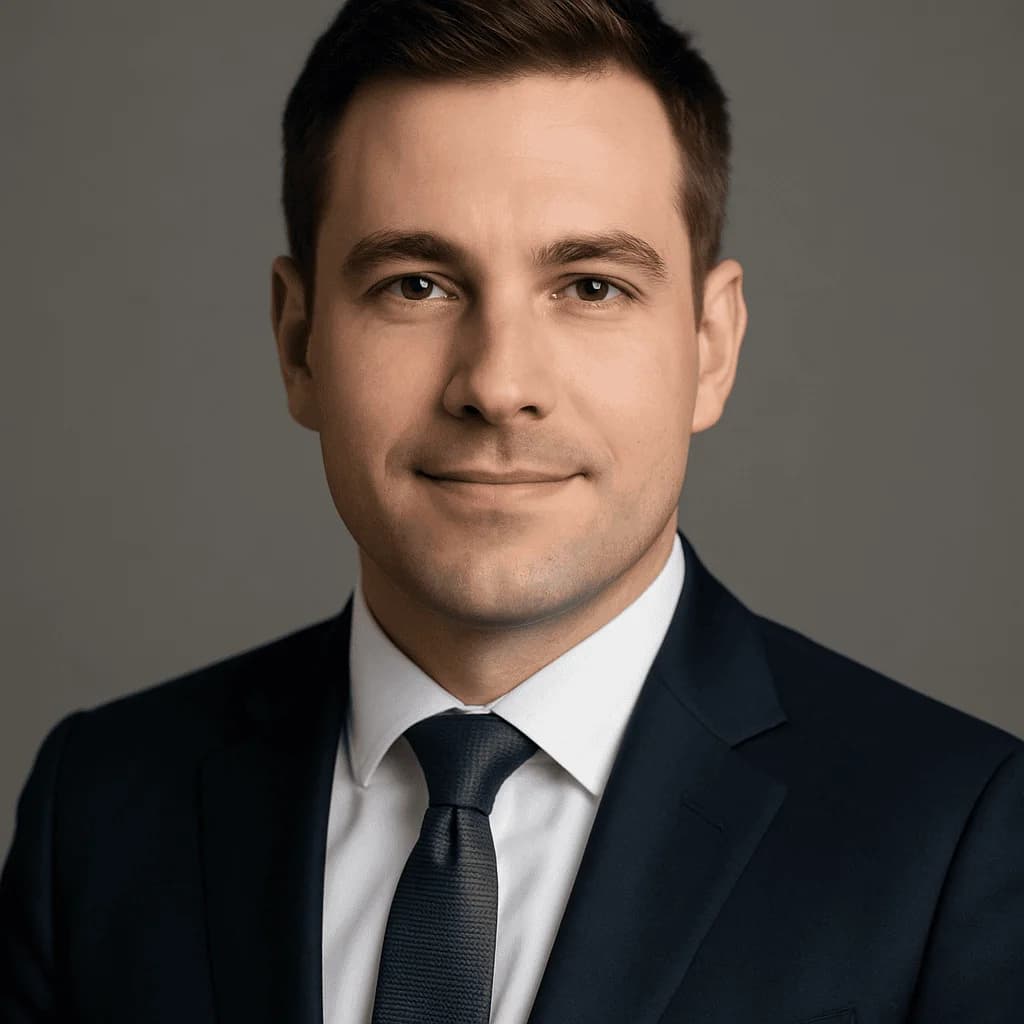
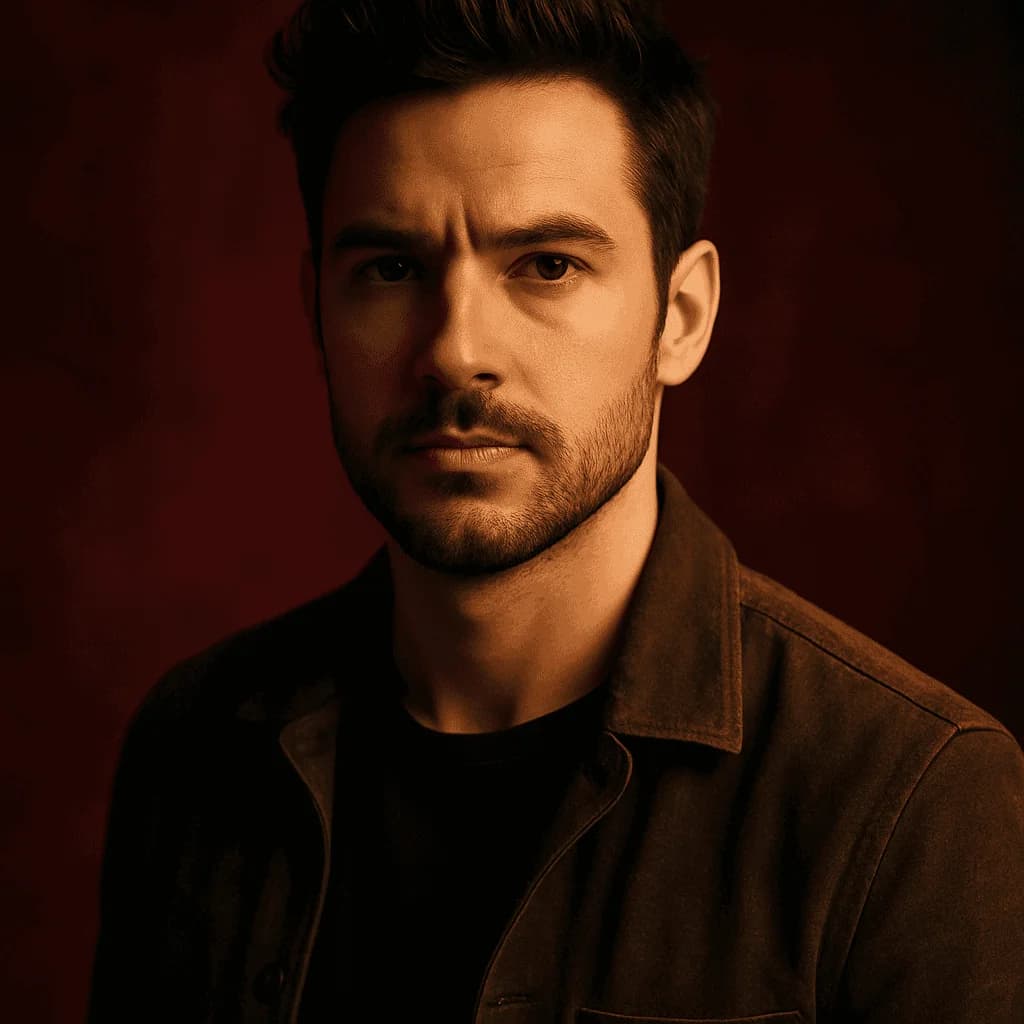
Doctors & Physicians headshots generated by our AI
Every image below was generated from a single selfie — never photographed.



A patient chooses their doctor on three things: the referral, the insurance fit, and your photo.
That third signal matters more than the medical profession likes to admit. When a patient is browsing Doximity, a hospital physician directory, or a health-system bio page, the decision to book with you or with the doctor three rows down is shaped heavily by which face they trust more — in the 4-6 seconds it takes to scroll past. A strong, trustworthy headshot reduces patient acquisition friction every single day it's live.
Why physician headshots are clinical infrastructure, not vanity
Medicine is a high-trust profession delivered primarily through visual cues in the first encounter. The white coat, the badge, the eye contact, the warm-but-competent demeanor — all of it signals to the patient that they're in safe hands before the physician has said a word. That same visual grammar needs to hold on the screen too, because the first encounter with most patients now happens on a directory page, not in an exam room.
Hospital marketing teams know this. That's why large health systems invest in uniform physician headshot programs — consistent lighting, consistent background, consistent styling across every doctor in the department. The cohesion communicates institutional competence. The problem is that these programs run once a year, and any physician who joins mid-cycle, changes roles, or simply needs a refresh is left with a gap. The same institutional hygiene drives cohesive nurse headshot programs and ERAS residency application photos for trainees entering the system.
What makes a great physician headshot
Four elements define the clinical-professional standard:
- White coat or clinical attire — the universal physician signal.
- Studio-neutral background — no exam-room clutter, no corridor, no medical equipment.
- Warm, direct eye contact — patients are assessing whether they can trust you with sensitive concerns.
- Warm-neutral expression — approachable without being over-familiar. Calibrated to your specialty.
Our Corporate style is tuned to generate every element correctly. Upload a clear selfie, and the AI produces 20 variations within the narrow visual band that hospital directories and Doximity expect.
AI vs. traditional for physicians
A typical hospital physician photo day costs the department $300-$500 per doctor, plus coordination time. Physicians who miss the window wait 12 months for the next cycle, keep their old photo, or quietly pay out of pocket for an off-cycle session.
AI collapses that gap. Each physician runs a $19 order on their own time, selects the Corporate style, wears their white coat over a clinical-appropriate shirt, and has 20 hospital-ready variations within 2 minutes. New hires, mid-cycle role changes, and routine 2-year refreshes are all handled the same way.
The quality has caught up too. The best AI headshot output is indistinguishable from a clinical studio session at both web thumbnail size and full-size directory display. For a deeper look at how the underlying technology preserves facial identity, see our explainer on how AI headshots actually work.
How to use your physician headshots
- Hospital website bio — your primary use.
- Doximity profile — referral traffic from other physicians.
- Medical directory listings — Healthgrades, Vitals, Zocdoc, Google Business Profile.
- State medical board profile — many states let you upload a profile photo.
- Academic medical center faculty page — if you're on faculty.
- CME and conference speaker bios — if you teach.
- Journal publication bylines — if you publish.
- Patient education materials — brochures, discharge instructions, handouts.
Deploying the same headshot across every patient-facing and professional context compounds recognition. A patient who sees you on Doximity, then on Healthgrades, then on the hospital site sees the same face three times — which reinforces trust before the first appointment.
Common physician headshot mistakes
The residency-era photo problem. A significant fraction of attendings on hospital bio pages still use headshots from residency or fellowship. The age gap is visible and signals inattention to professional brand. Refresh every 2-3 years as a professional hygiene practice.
The "no white coat" problem. Physicians who photograph in business attire without a white coat look more like generic business professionals than doctors. On a patient-facing page, that's friction. The white coat is the clearest single signal in under a second.
The cluttered background problem. Photos taken in front of exam rooms, hospital corridors or medical equipment look chaotic at thumbnail size. Studio-neutral is the standard because it directs attention to the physician's face — which is exactly what patients are evaluating.
The over-smiling problem. Specialties like oncology, palliative care, psychiatry and critical care require a different tonal register than family medicine or pediatrics. A patient facing a cancer diagnosis wants a warm-but-serious presence, not a wide-grin sales face. Our 20-variation pack covers both ends of the range — select for your specialty. Privacy-conscious physicians often ask about data handling — our safety breakdown for AI headshots covers exactly what happens to your uploaded selfie.
Is it ethical to use an AI-generated headshot as a physician?
Yes, provided the headshot accurately represents your current appearance. Medical ethics require honest representation in professional communications — the AMA Code of Medical Ethics addresses misrepresentation generally, but does not prohibit AI-generated imagery. An AI headshot generated from your own selfie, that preserves your face, your skin tone, your proportions, and your general appearance is not misrepresentation.
Avoid selecting variations that substantially alter your appearance (e.g., removing facial hair you actually have, changing your weight significantly, or making you look materially different from how you present to patients). The 20-variation pack always includes options that match your actual look — use those.
The physician headshot checklist
- White coat over clinical-appropriate shirt.
- Studio-neutral background — no exam-room context.
- Warm, direct eye contact.
- Expression calibrated to your specialty.
- Groomed hair, clean shave or neatly trimmed facial hair.
- Minimal jewelry — wedding band, small earrings, ID badge only.
- 1024×1024 resolution minimum.
- Accurate representation of your current appearance.
Eight checked, and the headshot quietly converts Doximity views into booked appointments every day it's live.
Your Doctors & Physicians headshots are 2 minutes away.
20 headshots. 2 minutes. $19 one-time.
Generate My Headshots — $19From selfie to studio in 2 minutes
1. Upload a selfie
One clear, well-lit selfie is all we need. We validate face, lighting and resolution instantly.
2. Pick your style
Corporate, Startup, Creative or Casual Pro. We recommend one best suited to your profession.
3. Get 20 headshots
Our AI generates 20 variations in under 2 minutes. Download the ZIP or pick individual shots.
What to wear — Doctors & Physicians headshots
- White coat over solid scrubs or collared shirt — the universal physician signal
- Stethoscope around the neck is optional but reinforces clinical context
- Underneath: solid-color shirt or blouse — navy, light blue, or soft neutral
- Minimal jewelry — wedding band, small earrings, ID badge only
- Groomed hair pulled back or styled away from the face
- Subtle, natural makeup if you wear it
- Clean-shaven or neatly trimmed facial hair — relevant to patient trust
Common mistakes in Doctors & Physicians headshots
What to avoid so your AI-generated shots don't scream "taken with a webcam in 2017".
Using a residency or fellowship-era photo
Attending physicians still using their training-era headshot look out of step with their current role. Patients and referring providers notice the gap between a 28-year-old photo and a mid-career practitioner.
Cluttered clinical background
Photos taken in front of exam rooms, hospital corridors or medical equipment look chaotic at thumbnail size. Studio-neutral background is the hospital-bio standard — it directs attention to the physician's face, which is what patients are assessing.
No white coat on a patient-facing profile
Patients looking for a doctor want visual confirmation you're a doctor. A white coat is the single clearest signal. Omitting it on a patient-facing page adds friction to the decision to book.
Over-casual expression
A wide grin can read as over-familiar for specialties like oncology, palliative care or surgical subspecialties. Warm-neutral — slight smile, engaged eyes — outperforms across most clinical contexts.
Doctors & Physicians headshots — questions answered
Are AI-generated headshots acceptable on hospital bio pages?+
Yes. Hospital bio pages require a professional photograph that accurately represents the physician — AI-generated headshots from your own selfie meet that standard and match the visual style hospitals already use.
Is it ethical for a doctor to use an AI headshot?+
Yes, provided the headshot accurately represents your current appearance. Medical ethics require honest representation in professional communications, and an AI headshot that preserves your actual face, skin tone and proportions meets that standard.
Can I use this for Doximity, hospital profiles, and the state medical board?+
Yes. Full commercial rights allow use across every medical professional platform — Doximity, hospital sites, state licensing boards, ABMS profiles, CME bios, academic publications.
Will the white coat look realistic in the generated image?+
Yes. Our Corporate style is trained extensively on clinical attire. The white coat, collar lines, stethoscope and overall clinical grammar generate accurately.
How fast is delivery?+
Under 2 minutes from payment. Twenty variations delivered via email — select your favorite and update your hospital profile immediately.
Can I use this for my ERAS residency application?+
Yes. ERAS accepts a professional photograph, and our Corporate style meets ERAS visual standards. For residency applicants specifically, see our dedicated ERAS page for additional guidance on the exact specs.
What resolution is the output?+
1024×1024 — sufficient for hospital web bios, Doximity, medical directories, and printed CME bios up to about 4×4 inches.
Is my photo kept confidential?+
256-bit SSL encryption in transit, encrypted at rest, auto-deleted after 30 days. We never train on user photos.
What if my specialty requires a specific visual style?+
Our 20-variation pack covers a tonal range — from warmer (for pediatrics, family medicine, primary care) to more serious (for surgery, oncology, critical care). Pick the variation that matches your specialty's patient expectations.
Ready for your Doctors & Physicians headshots?
20 headshots. 2 minutes. $19 one-time.
Generate My Headshots — $19