Speaker Bio Photos That Match Your Event Poster — 20 for $19
Conference organizers need your headshot by Friday, and your last photo is 3 years old. Get 20 speaker-grade bio portraits for $19 in two minutes — ready for the poster, the site, and the intro slide.
20 headshots · Ready in 2 minutes · Money-back guarantee
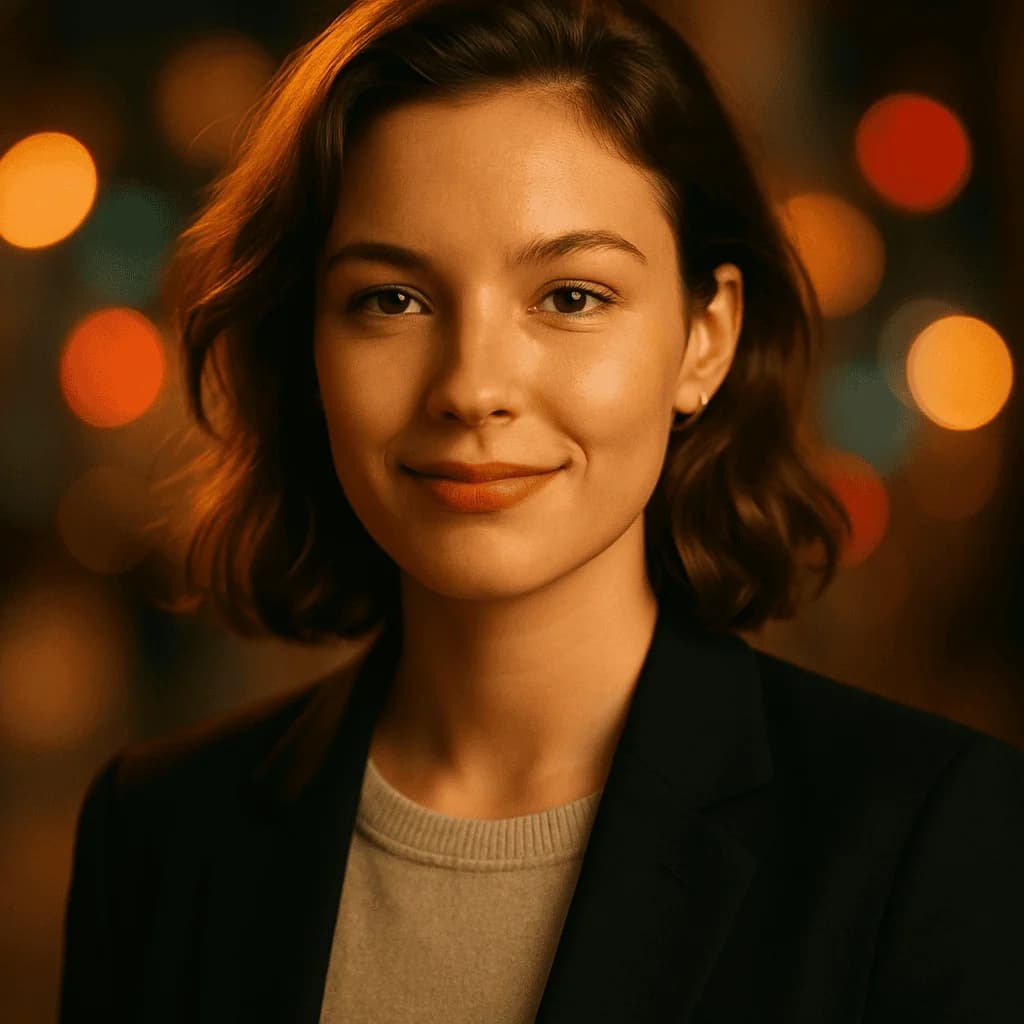
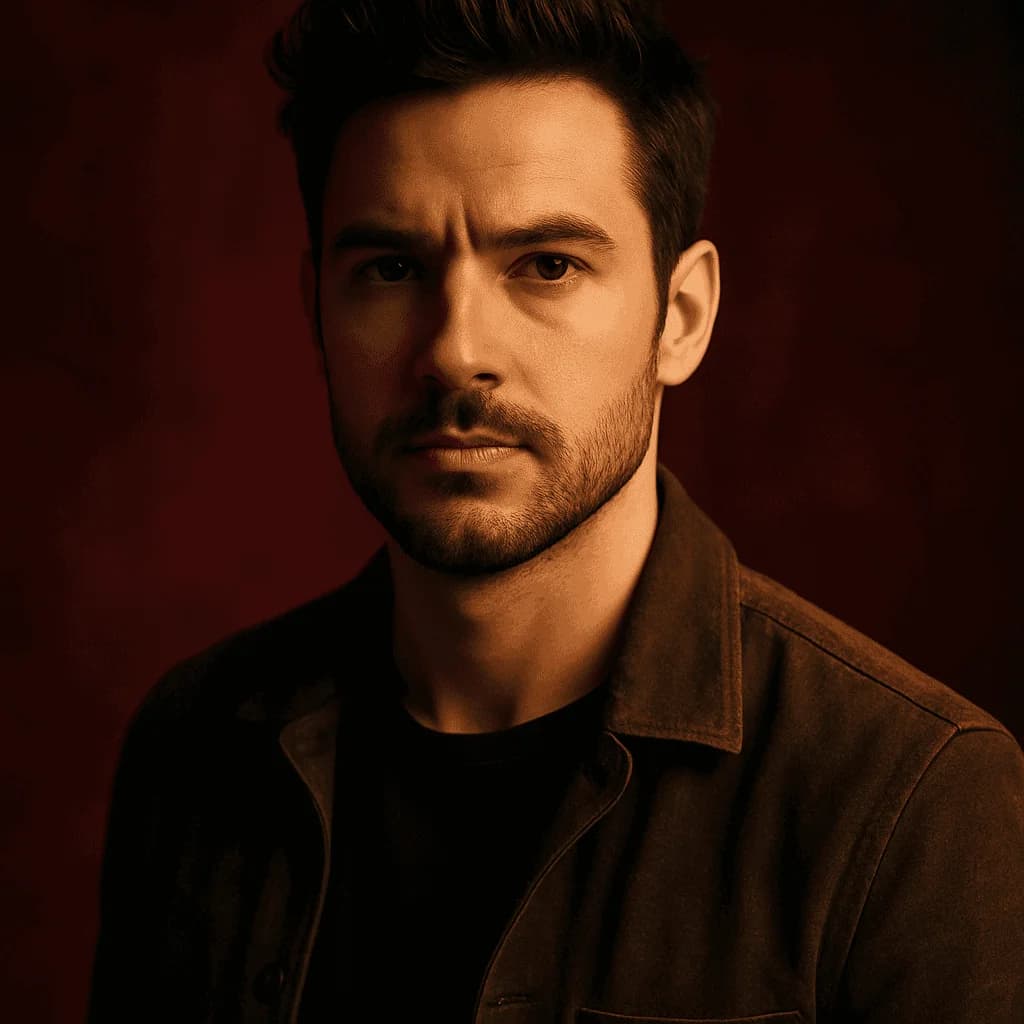
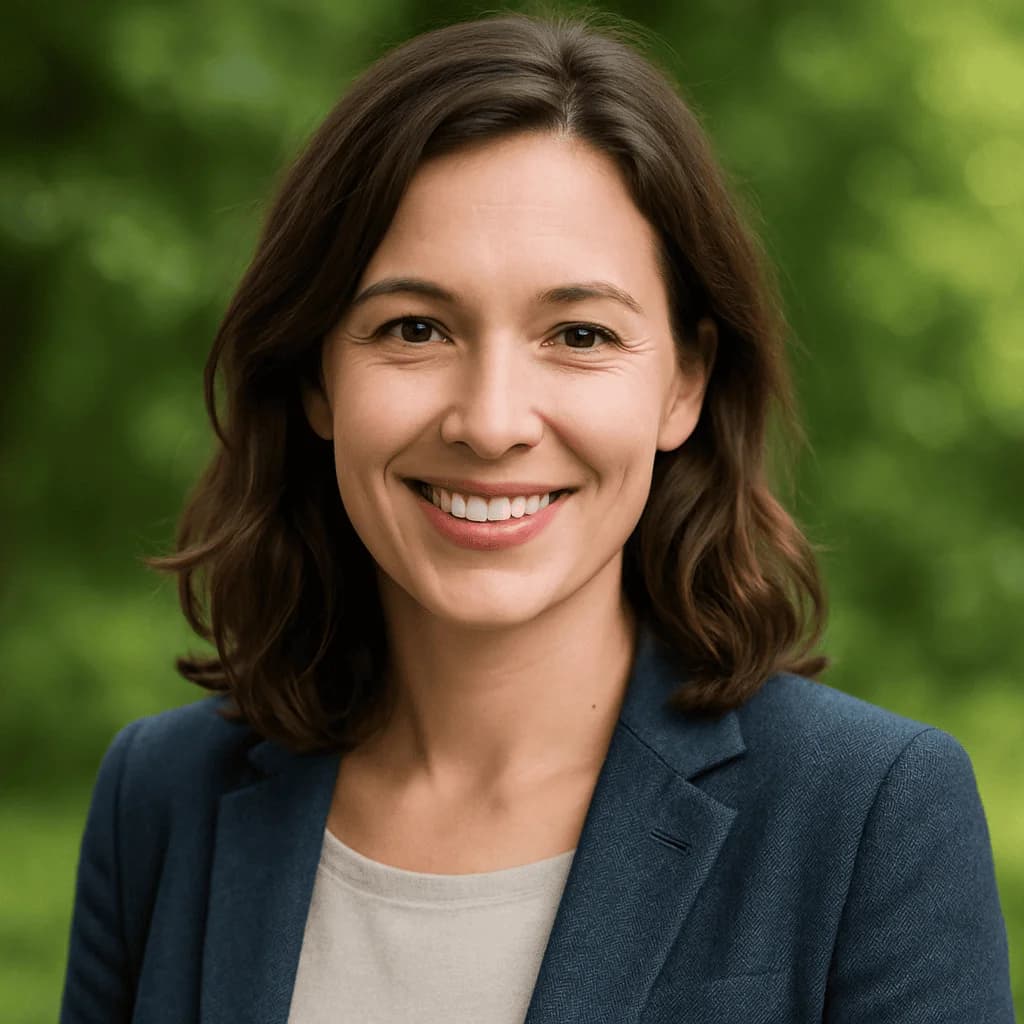

Why speaker bio professionals choose AI headshots
Studio quality at a fraction of the cost — purpose-built for your field.
Organizer deadlines, solved in two minutes
Conference organizers routinely ask for a 'high-resolution headshot' 72 hours before an event. Scrambling to find a usable version of a 3-year-old photo is the universal speaker experience. A $19 AI pack solves this forever — you have 20 current, high-res options the moment you're confirmed on the schedule.
Stage-calibrated lighting, not LinkedIn vibe
Speaker headshots appear on event posters, keynote intro slides, and backstage programs — all contexts where LinkedIn lighting looks off. Our Creative style produces portraits with the slightly-theatrical, editorial quality that actually matches how your photo will be used on a conference site next to 8 other speakers.
Varies for every conference's 'visual vibe'
A TED-style event wants a different headshot than a B2B SaaS conference, which wants a different vibe than a creative industry panel. Twenty variations let you pick the best-fitting shot for each event — the moody dramatic one for the design conference, the warm-professional one for the SaaS summit.
Works for podcast, panel, and solo speaking
Podcasts want square crops and warm lighting. Panel bios want matching-the-other-panelists professionalism. Solo keynotes want stage-presence gravitas. One $19 pack covers the full range of speaking format variations without a separate shoot for each.
Speaker Bio headshots generated by our AI
Every image below was generated from a single selfie — never photographed.
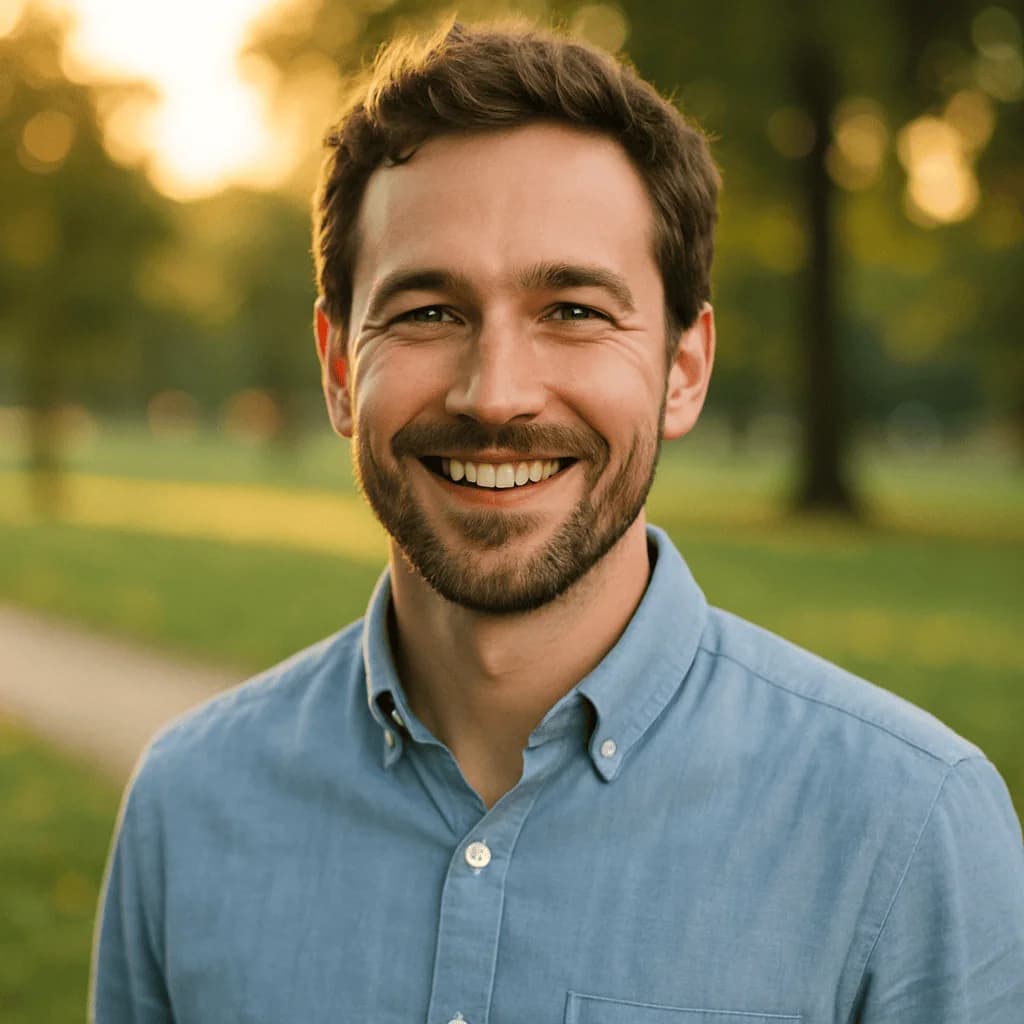
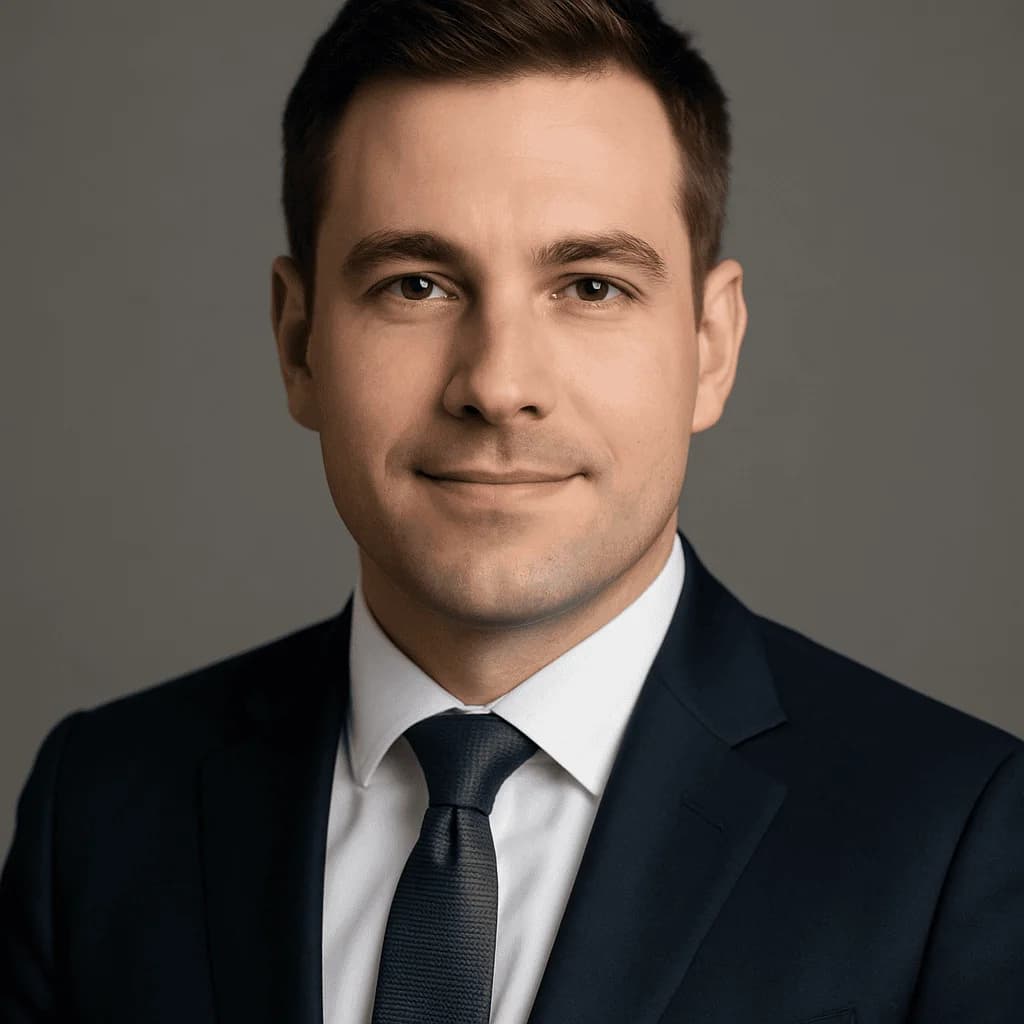
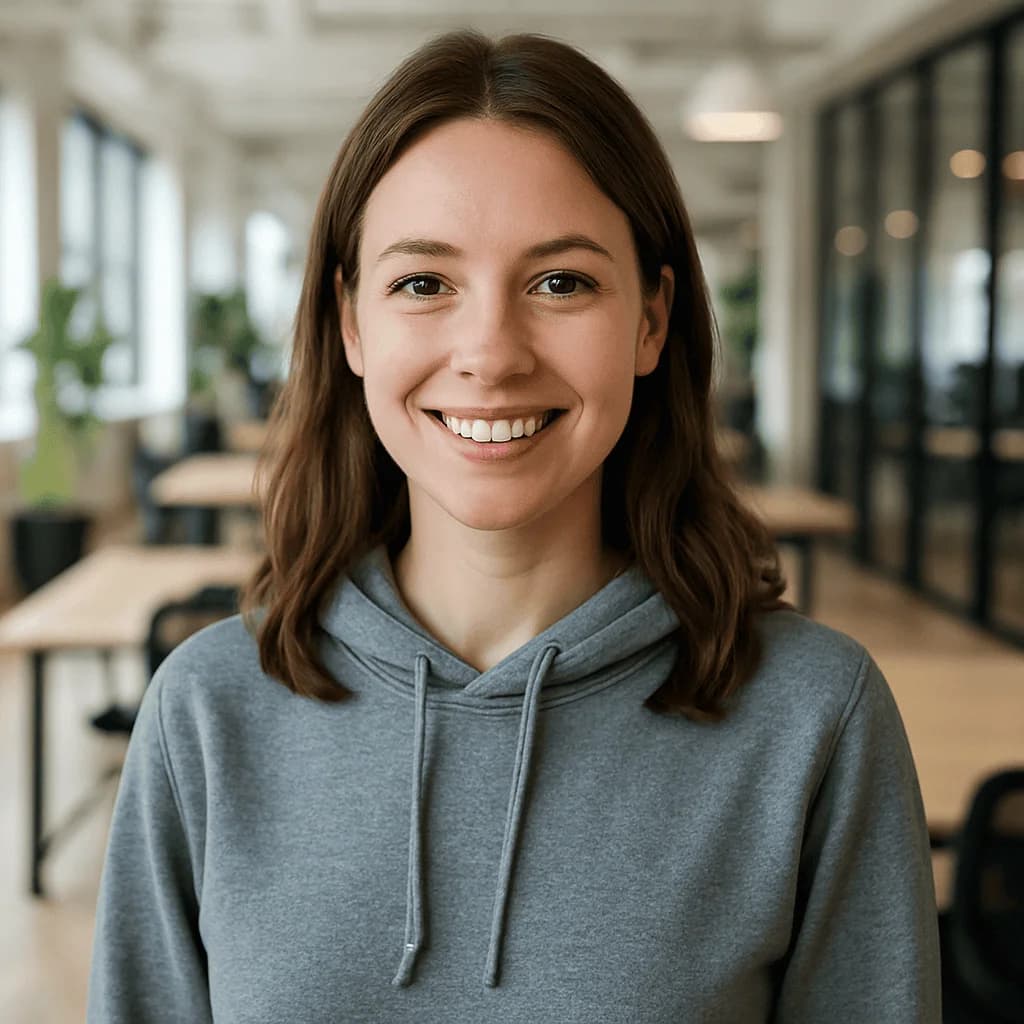
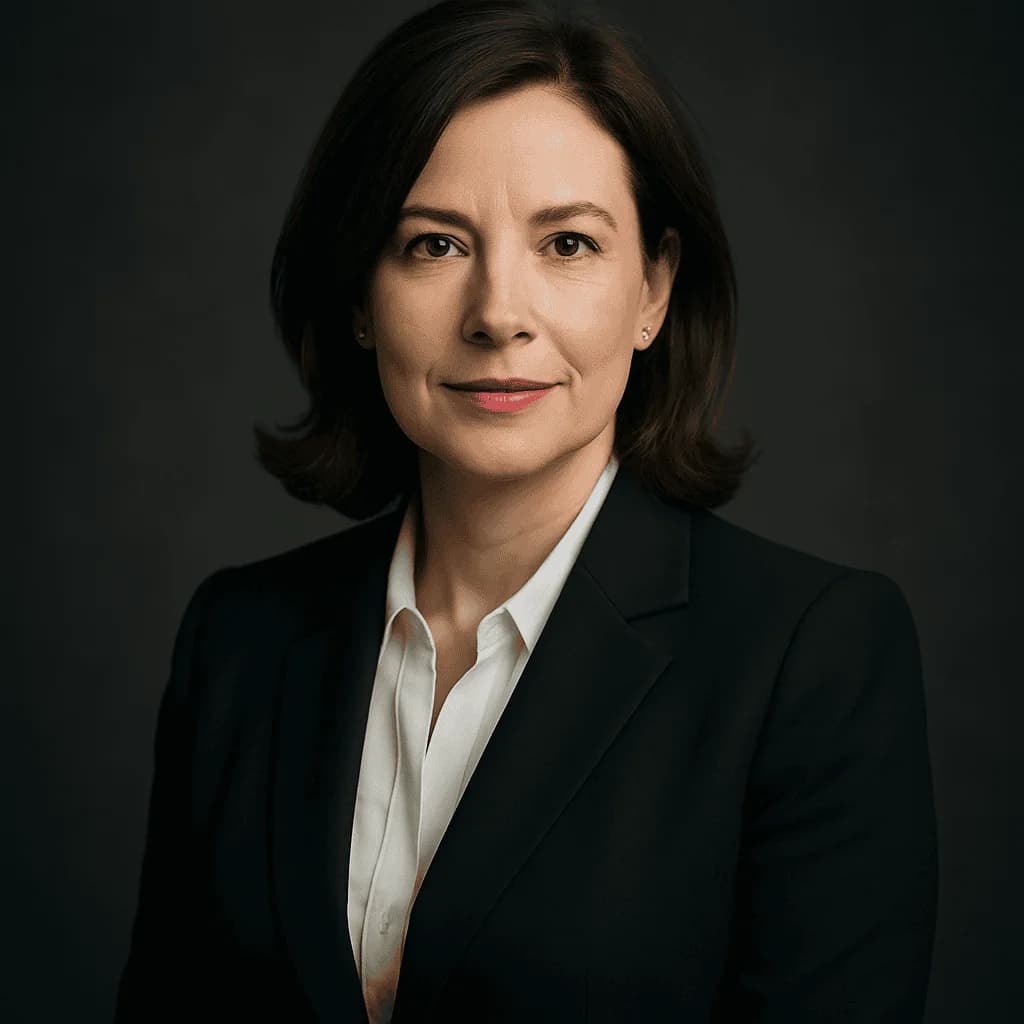
Speaking at a conference, panel, or podcast isn't just the talk itself — it's also a surprising amount of asset coordination that happens in the two weeks before the event. Your headshot goes on:
- The event's public speaker page.
- The printed event program.
- The poster for promotion across social.
- The intro slide deck the organizer presents before you walk on.
- The conference's "meet the speakers" email blast.
- Post-event recap content (clips, quotes, attendee recap emails).
Every one of these surfaces requires high-resolution, well-styled, currently-representative photos of you. And for most speakers, the assets arrive via a 9pm email from the organizer: "Can you send me your headshot, 300dpi, by tomorrow morning?"
Why your speaker headshot actually matters
On an event page with 8-12 speakers laid out in a grid, attendees scan faces to decide which talks to attend. A grainy, outdated, or low-quality headshot directly costs you audience for your session. The photo is a preview of you on stage, and attendees unconsciously use it to decide whether your session is worth their 45 minutes.
A conference headshot that matches the quality of the other speakers on the grid — or exceeds it — earns attention before you've said a word. The same dynamic shapes executive speaker bios at CFO summits and startup founder profiles at YC Demo Day or SaaStr — different crowds, same grid-comparison reality.
What makes a great speaker headshot
Four elements define a great speaker bio portrait:
- High enough resolution for print — 300dpi at 5x7 minimum, so the printed program doesn't pixelate.
- Editorial-quality lighting — softer and more intentional than a corporate headshot, closer to magazine-portrait feel.
- Expression that matches your speaking persona — thoughtful for academic, warm for community-driven, composed for executive keynote.
- Styling appropriate to your speaking topic and audience — read the room and match it.
Our Creative style produces this register by default — it's tuned for editorial-quality output with the polish that works across conference contexts.
AI vs. studio photographer for speaker headshots
A studio headshot for speaker bios typically runs $300-$600 and delivers 4-6 edited frames in one styling. Output is high quality, but single-styling, slow to refresh, and expensive for speakers who do 5-10+ events a year.
AI at $19 delivers 20 variations in two minutes, with multiple expressions and framings. Quality is at or near studio level for this specific use case, and the speed-to-delivery is the difference between "I have a headshot ready for the organizer's Friday deadline" and "I'm scrambling Thursday night."
The remaining case for studio: your primary revenue is keynote speaking (sub-industry of ~$10K+ per talk), you have a specific brand aesthetic that requires a location/styling shoot, and you refresh infrequently. For every other speaker — panelists, podcast guests, occasional keynotes, workshop leaders, conference moderators — AI is the obviously better choice. Our AI headshot vs. photographer comparison covers exactly where the quality gap has closed for event-asset use.
How to use your 20 speaker headshots
One pack, every speaking-related surface for the next 12 months:
- Conference event page — the most polished editorial variation, neutral background.
- Event program (print) — same variation, delivered at print resolution.
- Intro slide deck — a variation with slightly more personality, since this plays to a live audience.
- Podcast cover / guest feature — square crop, warm variation.
- Speaker one-sheet PDF — composed, editorial variation for booking outreach.
- Agent/bureau profile page (if you use one) — the most professional variation.
- Press kit / media mentions — multiple variations available for publications to pick from.
- Social promo posts — a more casual variation to pair with your event announcement tweets.
Twenty variations in one $19 pack covers the full speaker asset kit for the entire season. For a reference on the editorial tonal range that lands on event posters, our gallery of 13 professional headshot examples covers the specific polish register conferences expect.
The speaker headshot checklist
Before you send your AI speaker headshot to the event organizer:
- Is the resolution high enough for print (300dpi at 5x7+)?
- Does the photo look like a current version of you (within the last 12 months aesthetic)?
- Does the style match the event's vibe (corporate vs. creative vs. academic)?
- Is the background clean enough to drop into a grid with 7 other speakers?
- Is there an expression-appropriate vibe for your talk topic?
- Does the photo load cleanly at various sizes (thumbnail on social, full-res on event page)?
Six checkboxes and your speaker assets are pro-grade.
Who this is for
Conference speakers, podcast hosts and frequent guests, panelists, workshop facilitators, keynote speakers, academic conference presenters, and anyone with 3+ speaking commitments in the next 12 months. Especially useful for: speakers whose current headshot is 2+ years old, speakers transitioning into a new industry where the old headshot sends wrong signals, and first-time keynote presenters who need a stage-ready headshot fast. Our what-to-wear guide for headshots covers the wardrobe cues that read well under stage lighting and on printed programs.
Twenty Creative-style speaker portraits, $19, ready in two minutes. The organizer's Friday deadline is no longer a problem.
Your Speaker Bio headshots are 2 minutes away.
20 headshots. 2 minutes. $19 one-time.
Generate My Headshots — $19From selfie to studio in 2 minutes
1. Upload a selfie
One clear, well-lit selfie is all we need. We validate face, lighting and resolution instantly.
2. Pick your style
Corporate, Startup, Creative or Casual Pro. We recommend one best suited to your profession.
3. Get 20 headshots
Our AI generates 20 variations in under 2 minutes. Download the ZIP or pick individual shots.
Tips — Speaker Bio photos
- Pick the Creative style — it has the slightly-editorial quality that conference marketing leans toward, vs. the corporate headshot feel.
- Request both straight-on and slight-angle variations — event posters often look better with three-quarter-angle portraits.
- High-resolution output is non-negotiable — poster printing requires 300dpi minimum at the used size.
- Include at least one variation with a neutral background (for the event site) and one with subtle environmental context (for podcast thumbnails).
- Match the wardrobe to your speaking topic — tech talk = relaxed-sharp, creative panel = more personal style, executive keynote = composed polish.
- Avoid trendy styling that'll date the photo — speaker bios get reused across 6-18 months of content marketing.
- Order your pack at least 2 weeks before a major event so you have time to regenerate if needed.
Common mistakes in Speaker Bio headshots
What to avoid so your AI-generated shots don't scream "taken with a webcam in 2017".
Sending a grainy cropped photo at the last minute
The most common speaker mistake is the late-night 'here's the best photo I have' email to the event organizer, usually a cropped phone photo at low resolution. It tanks your photo's reproduction quality on the event poster and website. Have a current high-res headshot ready before you need it.
Using a 5-year-old headshot
Event organizers put your headshot next to 5-10 other speakers. If yours is clearly outdated — different hair, different face — attendees notice, and when you take the stage the mismatch is awkward. Refresh every 12-18 months minimum for active speakers.
Same headshot on every event for 3 years
Active speakers appear on 5-15 event sites a year. Using the same headshot across every single one makes your personal brand feel static. Rotate between 2-3 of your 20 variations across events so your speaker page on repeat-visit conferences doesn't look frozen in amber.
Too formal for a creative-industry event
A suit-and-tie corporate headshot at a design conference or creative summit reads out of touch with the audience. Match the headshot register to the event's aesthetic. That's why we recommend Creative style for speaker bios specifically — it works across a wider range of events than Corporate.
Speaker Bio headshots — questions answered
What resolution do conference speaker headshots need?+
Most event organizers request 300dpi minimum at 5x7 inches or larger — which translates to roughly 1500x2100 pixels for the printed photo. For web/social, 800x1200 is usually enough. Our outputs are delivered at high resolution that meets both requirements.
Will my AI speaker headshot look consistent with other speakers on the bio page?+
Yes, if you pick the neutral-background variations from your pack. Event pages typically lay out 4-8 speakers in a grid; your photo needs to look similar in style and framing to the others. Our Creative style defaults to a polished, editorial feel that integrates cleanly into most conference speaker grids.
How fast will I get my speaker headshots?+
Under 2 minutes from payment. Twenty Creative-style variations delivered via email — ready to send to the organizer the same day.
Can I use this headshot for my podcast cover art?+
Yes. Podcast cover art requires square crops at high resolution — our outputs support this cleanly. Many podcasters use one variation for the cover, a second for the about page, and a third for social promo.
Is AI headshot OK for academic conferences and keynotes?+
Increasingly yes. Academic speaker bios don't have a formal policy against AI headshots, and well-lit, professional portraits are accepted. The one exception: some formal academic awards or commemorative publications may request a studio portrait. Default to AI for conference bios; use studio for commemorative contexts.
Does the headshot need to match my LinkedIn and Twitter?+
Consistency helps — event organizers and attendees often check your LinkedIn and Twitter after seeing the event site. Using the same (or visually consistent) headshot across speaking site, LinkedIn, and Twitter strengthens your personal brand recall. Pick one hero from your 20 pack and use it across professional surfaces for the season.
What about the 'speaker one-sheet' photo — the PDF with bio and photo used for booking?+
One-sheets use your strongest composed variation, typically the same as your event-poster shot. Embed at 300dpi, 2-3 inches tall. Our outputs support one-sheet production cleanly.
Can I get different looks for different industries?+
Yes. One pack gives you 20 variations with a range of moods and framings, so you can pick the moody editorial variation for a design conference and the warm-polished variation for a SaaS event. For dramatically different industry looks, a second pack at $19 lets you stack completely different styling.
Is my photo kept private?+
256-bit SSL in transit, encrypted at rest, auto-deleted after 30 days. Speaker photos especially — we never use them for training or share with any party beyond your processing.
What's the refund policy?+
7-day money-back guarantee. We'll also regenerate the full pack for free once if the editorial/speaker quality isn't landing on the first run — speakers have a higher output bar and we honor that.