ERAS Headshots That Match the Program Director's Expectations
ERAS-ready, Match-ready, Doximity-ready. Studio-grade medical student headshots generated from a selfie — delivered in two minutes, at less than the cost of one Step 2 study resource.
20 headshots · Ready in 2 minutes · Money-back guarantee



Why medical residency applicants professionals choose AI headshots
Studio quality at a fraction of the cost — purpose-built for your field.
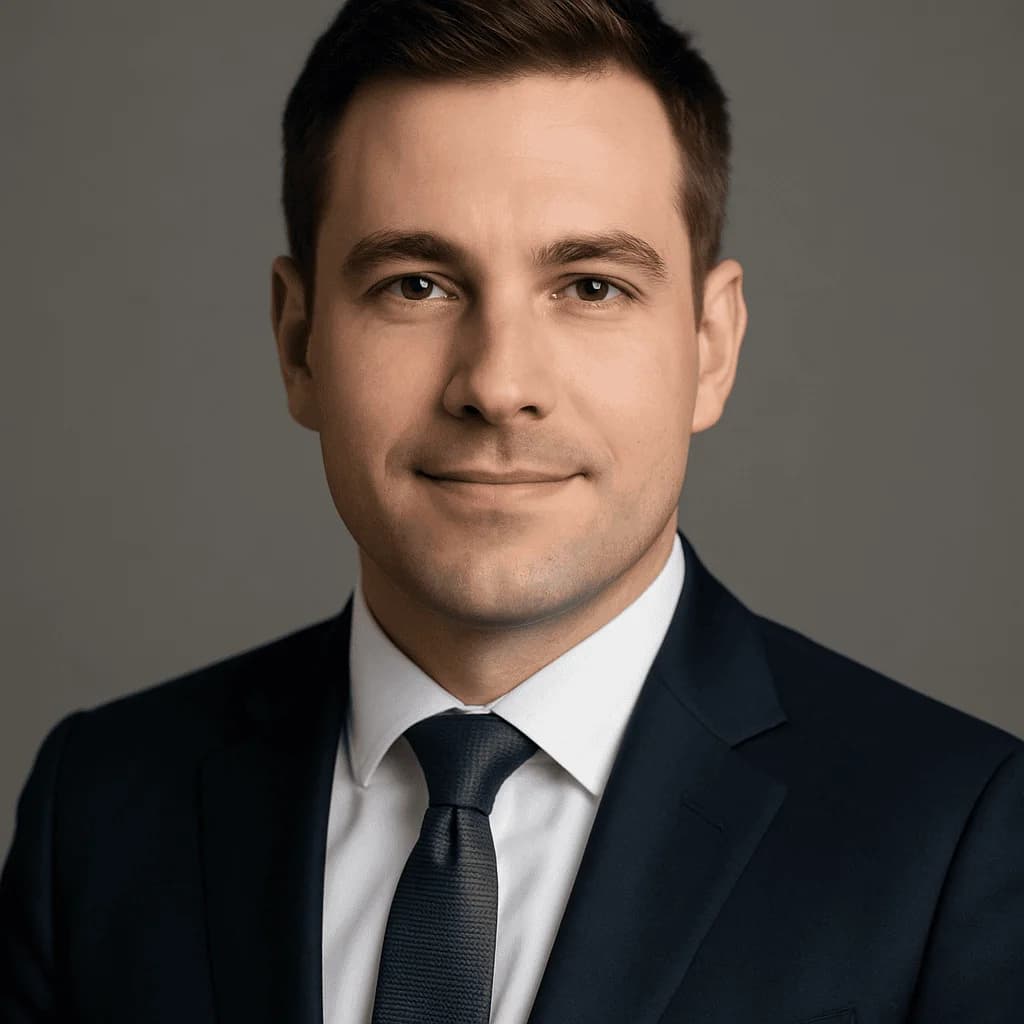
Built to ERAS specs
ERAS requires a 2.5 × 3.5 inch professional photograph in clinical or business attire. Our Corporate style generates to that exact standard — white coat or business attire, neutral background, warm-professional expression. Program directors see thousands of these; ours blend in.
$19 vs. your medical-school photographer's $250
Most medical schools offer a professional headshot service around ERAS submission season — for $150-$300, with a 2-3 week turnaround. We do it in 2 minutes for $19, and you get 20 variations instead of 3. Skip the line, save the money for board exams.
Ready the week before your application submission
ERAS opens in September. Most applicants realize their headshot isn't ready the week before submission. AI closes that gap — upload a selfie, get 20 variations back in 2 minutes, submit your ERAS on schedule.
Commercial rights across the entire application season
Use your headshot on ERAS, Doximity, LinkedIn, your personal statement header, CV, medical school alumni page, and residency interview trails. One pack covers the full application and match cycle.
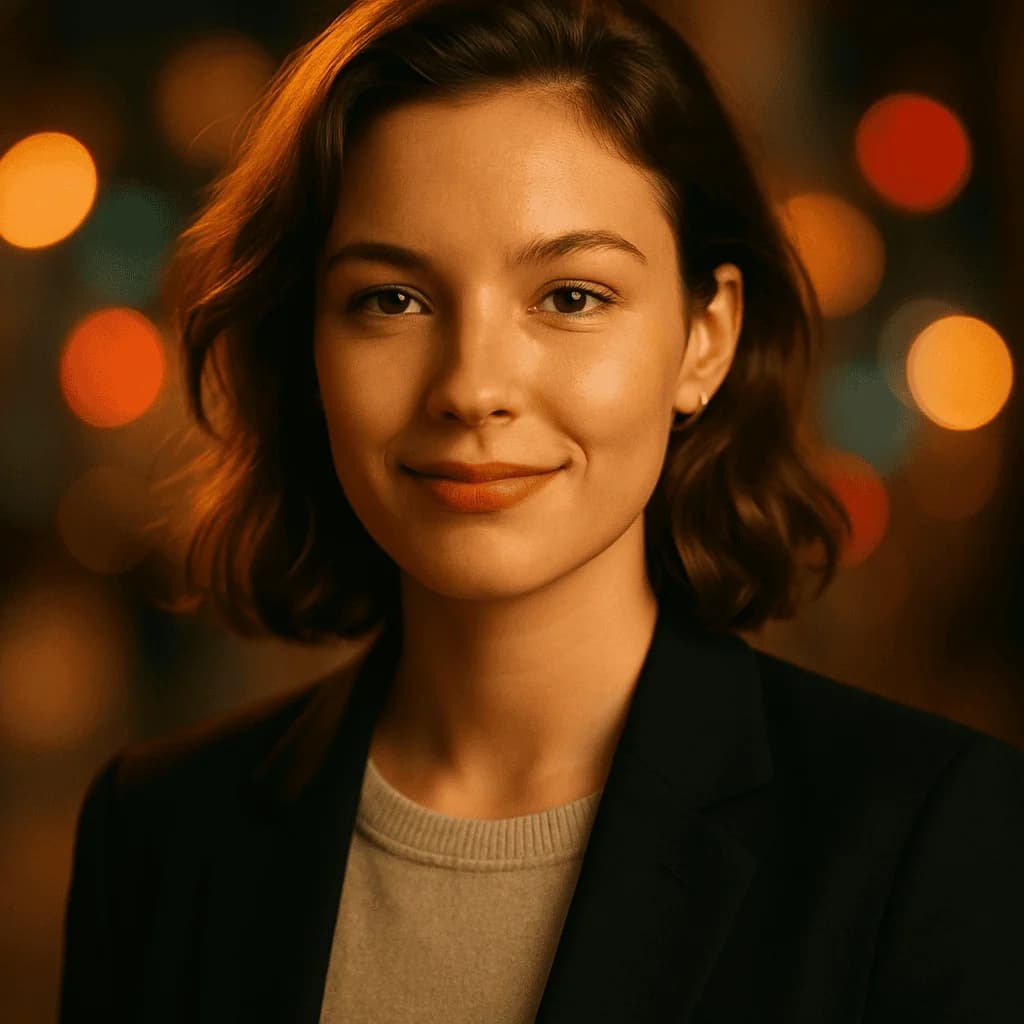
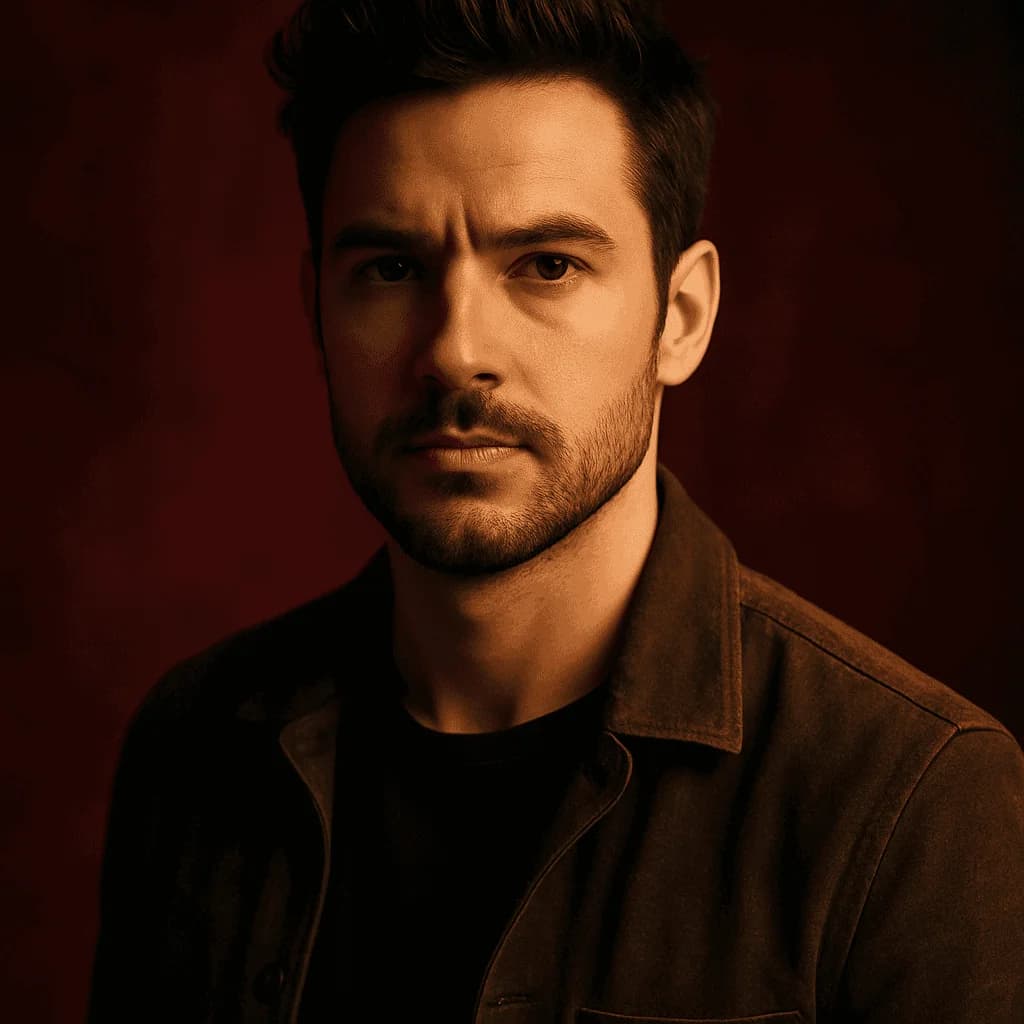
Medical Residency Applicants headshots generated by our AI
Every image below was generated from a single selfie — never photographed.


Your ERAS photo sits in the upper-left corner of your application.
It's the first pixel a program director's eye lands on when they open your file. Before they read your personal statement, before they check your Step scores, before they scan your letters — they've already formed a 2-second impression from your photo. In residency application review, where program directors sort 500-2000 applications per cycle, that 2-second impression is a real filter. A strong photo removes friction; a weak one adds it on every review.
Why the ERAS headshot is higher-stakes than most applicants realize
Residency applications are sorted by program directors and faculty who are doing the review on top of their full clinical loads. They're not giving each application 30 minutes of careful reading. In the first pass, most applications get 2-5 minutes of attention, and visual cues carry disproportionate weight in that window.
The ERAS photo isn't scored on a rubric — but it shapes the reviewer's default disposition toward everything that follows. A crisp, professional, ERAS-standard headshot pre-loads the reviewer to see the applicant as someone who takes their career seriously. A casual or out-of-register photo pre-loads the opposite, and the applicant spends the rest of the review recovering ground.
This effect is larger in competitive specialties (dermatology, orthopedic surgery, plastic surgery, radiation oncology), where applicants are indistinguishable on paper across most metrics and the visual-polish signal carries more weight in tie-breakers. It's smaller but still real in less competitive specialties. The same pre-loading dynamic shows up on physician bio pages post-residency and on nurse practitioner LinkedIn profiles during clinical role transitions.
What makes a great ERAS headshot
Four elements define the ERAS-standard photo:
- Clinical or professional business attire — white coat is universal; business attire works for specific specialties.
- Studio-neutral background — no clinical context, no patient rooms, no lecture hall.
- Warm-professional expression — composed, approachable, serious but not stern.
- Sharp eye engagement — reviewers need to feel the applicant is present and engaged.
Our Corporate style is tuned to exactly this standard. The 20-variation pack includes both clinical (white coat) and business-attire variations — choose based on specialty.
AI vs. medical school photography for residency applicants
Most US medical schools offer a professional headshot service around ERAS submission season. Costs vary by school — typical range is $150-$300 for a studio session with 3-5 final edits, with a 2-3 week turnaround. Some schools offer free or subsidized photos, though turnaround and quality vary.
AI gives applicants a faster, cheaper, more flexible option. $19 per pack, 20 variations, 2-minute turnaround. For applicants who:
- Realized their photo isn't ready the week before ERAS opens.
- Don't like the school's photo-day output.
- Want multiple variations for ERAS, Doximity, LinkedIn and personal statements.
- Are applying from an international medical school without institutional photo services.
AI solves all of the above. The output quality is equivalent to a studio shoot at the resolution ERAS and NRMP actually use. Our explainer on how AI headshots work walks through the image-editing pipeline that preserves your actual face.
How to use your ERAS headshots across the application season
- ERAS application — the primary use; upload the single best clinical-attire variation.
- NRMP Match profile — same photo as ERAS for consistency.
- Doximity medical student profile — program directors check this.
- LinkedIn profile — residency recruiters and program faculty review it.
- Personal statement header — some applicants include a photo in formatted statements.
- CV / residency CV — photo-enabled CVs in certain specialties and regions.
- Medical school alumni page — your school may publish it during match season.
- Interview trail communications — follow-up emails to programs.
- Second-look visit materials — if you're ranked high and invited back.
One winner across all of these builds a consistent applicant identity. Program directors who interviewed you recognize your face instantly when your rank list decision lands — which matters in borderline cases.
Common ERAS headshot mistakes
The casual-crop problem. Applicants using a cropped photo from a party, a selfie in a med school hallway, or a passport-style photo all send the same signal to program directors: I didn't prioritize this application. That signal is real in the first-pass review.
The over-formal-attire problem. A three-piece suit on a family medicine or pediatrics application reads as off-register. Match attire to specialty — white coat works universally; business attire reads better for non-clinical specialties (pathology, radiology, research-heavy programs).
The outdated-photo problem. A headshot from M1 orientation looks different from the M4 who shows up for the interview. Program directors pattern-match the photo against the person in the Zoom interview — a large gap creates cognitive dissonance that doesn't help the applicant.
The photo-booth problem. Passport or DMV-style snapshots save time but read as low-effort. In competitive specialties, any low-effort signal is a negative. Spend $19 and get a pack that reads as intentional. If your reference selfie is the bottleneck, our guide to taking a perfect selfie for AI headshots covers the lighting and angle that yield the cleanest output.
Is it ethical to use an AI-generated headshot on ERAS?
Yes, provided the headshot accurately represents your current appearance. Medical professional standards — including the AAMC's principles of professionalism and the AMA Code of Medical Ethics — require honest representation in professional communications. An AI headshot generated from your own selfie, that preserves your face, skin tone, age markers, and general appearance, is not misleading representation.
Select variations from your pack that match how you actually present in person. Avoid variations that substantially alter your appearance.
The ERAS headshot checklist
- White coat or business attire appropriate for the specialty.
- Studio-neutral background.
- Warm-professional expression.
- Sharp eye engagement.
- Groomed hair, minimal jewelry, clean makeup if worn.
- Accurate representation of current appearance.
- 150 DPI minimum, 2.5 × 3.5 inch spec.
- Consistent with LinkedIn and Doximity photos.
Hit all eight, and the ERAS photo quietly works in your favor across every application review.
Your Medical Residency Applicants headshots are 2 minutes away.
20 headshots. 2 minutes. $19 one-time.
Generate My Headshots — $19From selfie to studio in 2 minutes
1. Upload a selfie
One clear, well-lit selfie is all we need. We validate face, lighting and resolution instantly.
2. Pick your style
Corporate, Startup, Creative or Casual Pro. We recommend one best suited to your profession.
3. Get 20 headshots
Our AI generates 20 variations in under 2 minutes. Download the ZIP or pick individual shots.
What to wear — Medical Residency Applicants headshots
- White coat over a solid shirt — the ERAS standard
- Alternative: business attire (blazer, dress shirt, tie for men; blouse or shell for women) if your specialty leans non-clinical
- Stethoscope optional — can reinforce clinical identity but not required
- Groomed hair, off the face
- Minimal jewelry — no dangling earrings, wedding band acceptable
- Clean shave or neatly trimmed facial hair
- Natural makeup if you wear it — residency programs want to see you, not a glam version
Common mistakes in Medical Residency Applicants headshots
What to avoid so your AI-generated shots don't scream "taken with a webcam in 2017".
Using a casual selfie or crop from a party
Program directors review 500-2000 applications per cycle. A non-professional headshot signals 'didn't take the application seriously' and creates unnecessary friction in the first 10 seconds of the review.
Over-formal or out-of-register attire
A three-piece suit for family medicine or pediatrics applications reads as off-register. Match the attire to the specialty — clinical (white coat) works universally; formal business reads more natural for surgical subspecialties or radiology.
Outdated photo from pre-clinical years
A headshot from M1 orientation two years ago doesn't match the M4 applying for residency. Program directors who interview you will see the gap between the photo and the person — creates cognitive dissonance.
Photo-booth or cropped passport photo
Some applicants use a passport photo or a DMV-style snapshot to save time. It reads as low-effort to program directors — and applications in competitive specialties can't afford any low-effort signal.
Medical Residency Applicants headshots — questions answered
Does ERAS accept AI-generated headshots?+
ERAS requires a professional photograph that accurately represents the applicant. AI-generated headshots from your own selfie, preserving your face and appearance, meet that standard. ERAS has not issued guidance prohibiting AI-generated images.
Will program directors know the photo is AI-generated?+
At current AI quality levels, modern AI headshots are indistinguishable from studio photos in the context of an ERAS application review. Program directors see thousands of applications — what they notice is unprofessional or out-of-register photos, not image provenance.
What are the exact ERAS photo specs?+
ERAS requires a 2.5 × 3.5 inch (150 DPI minimum, JPG or PNG) professional photograph in color. Our 1024×1024 output comfortably meets those specs — most applicants upload directly without resizing.
Is this acceptable for the NRMP Match profile?+
Yes. NRMP Match profiles accept the same photo used for ERAS — our output meets both specifications.
Can I use this for Doximity and LinkedIn during application season?+
Yes. Full commercial rights allow deployment across every professional platform relevant to residency applications — ERAS, Doximity, LinkedIn, medical school alumni pages, and personal statement or CV headers.
Is it ethical for a medical student to use an AI headshot on ERAS?+
Yes, provided the headshot accurately represents your current appearance. Medical professional standards require honest representation — an AI headshot generated from your own selfie, that preserves your actual face and features, meets that standard.
Do I need a white coat for an ERAS headshot?+
A white coat is the most universal ERAS-appropriate attire. Business attire (blazer, dress shirt, tie or blouse) is also acceptable, especially for specialties that lean non-clinical (pathology, radiology, research-heavy programs).
How fast will I get my ERAS headshots?+
Under 2 minutes from payment. Twenty variations delivered via email — ready for immediate upload to ERAS, Doximity, and LinkedIn.
What's the refund policy?+
7-day money-back guarantee. We'll regenerate the full pack for free once if you're not satisfied. Residency season is too high-stakes to leave that to chance.
Is my photo kept private?+
256-bit SSL in transit, encrypted at rest, auto-deleted after 30 days. We never train on user photos — particularly important given that medical applicant identity is sensitive.
Ready for your Medical Residency Applicants headshots?
20 headshots. 2 minutes. $19 one-time.
Generate My Headshots — $19